1. The Trend Report
Forgiveness Beats Peak Distance: The Driver Market Grew Up
We have officially hit peak golf equipment saturation. Five minutes on social media or inside a pro shop and you are flooded with promises. Every driver costs as much as a weekend away, and every putter looks like it was designed by an aerospace contractor.
For years the driver arms race was strictly about carrying the ball three yards further into the wind. This season the industry quietly shifted its primary metric to ball-speed retention on off-centre hits, and the testing data backs the pivot.
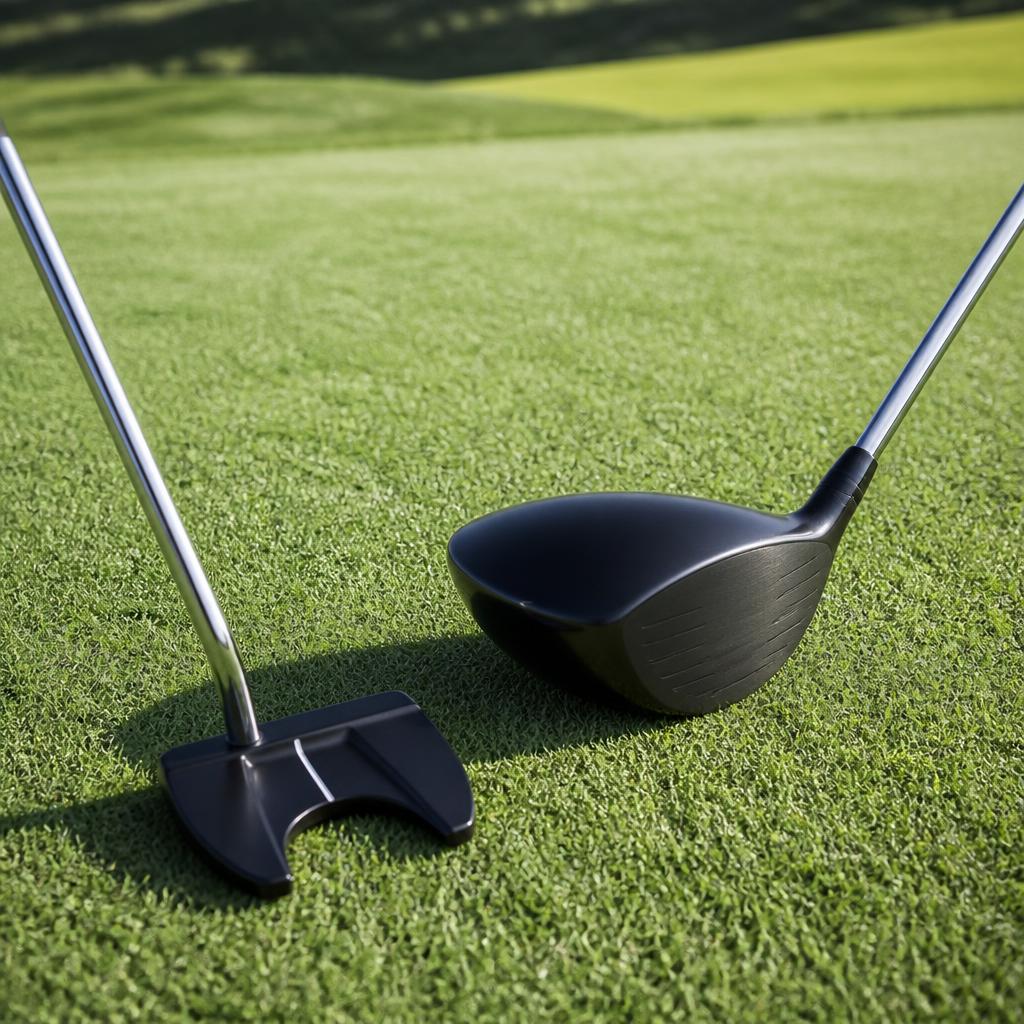
High-MOI heads wrapped in full carbon chasses dominated real-world testing. Drivers engineered to keep spin rates stable when struck 15mm off the toe outperformed low-spin tour heads by an average of 11 yards in overall fairway position for mid-handicappers.
The low-spin trap was the biggest amateur mistake of the season: chasing 1,800 RPM in an air-conditioned fitting bay. Out on a damp Sunday morning, those tour heads turned slight fades into catastrophic block-slices into the heather.
2. The Numbers
93%
The ball-speed retention threshold away from the centre dot below which a driver has no business being in an amateur's bag
Off-Centre Yield
High-MOI carbon-chassis heads beat low-spin tour heads by an average of 11 yards in overall fairway position for mid-handicappers on 15mm toe strikes.
Putting Conversion
Independent testing labs recorded a 14% increase in conversion from 4 to 8 feet for players moving off traditional blades to high-MOI mallets or zero-torque setups.
Carry Weight
Standout stand bags now come in frameless, weather-proof and under 1.8kg, while still carrying a full 14 clubs.
3. The Business Model / Opportunity
Hollow-Body Player's Distance and the Death of the Long Iron
Ten years ago you had to choose: a razor-thin blade that stung your hands on a cold morning, or a massive chunk of cast steel at address. That trade-off has quietly disappeared.
Internal dampening polymers have finally matured. Hollow heads no longer sound like clicking a plastic pen; they feel remarkably close to traditional single-piece forgings, which removes the last real objection from better players.
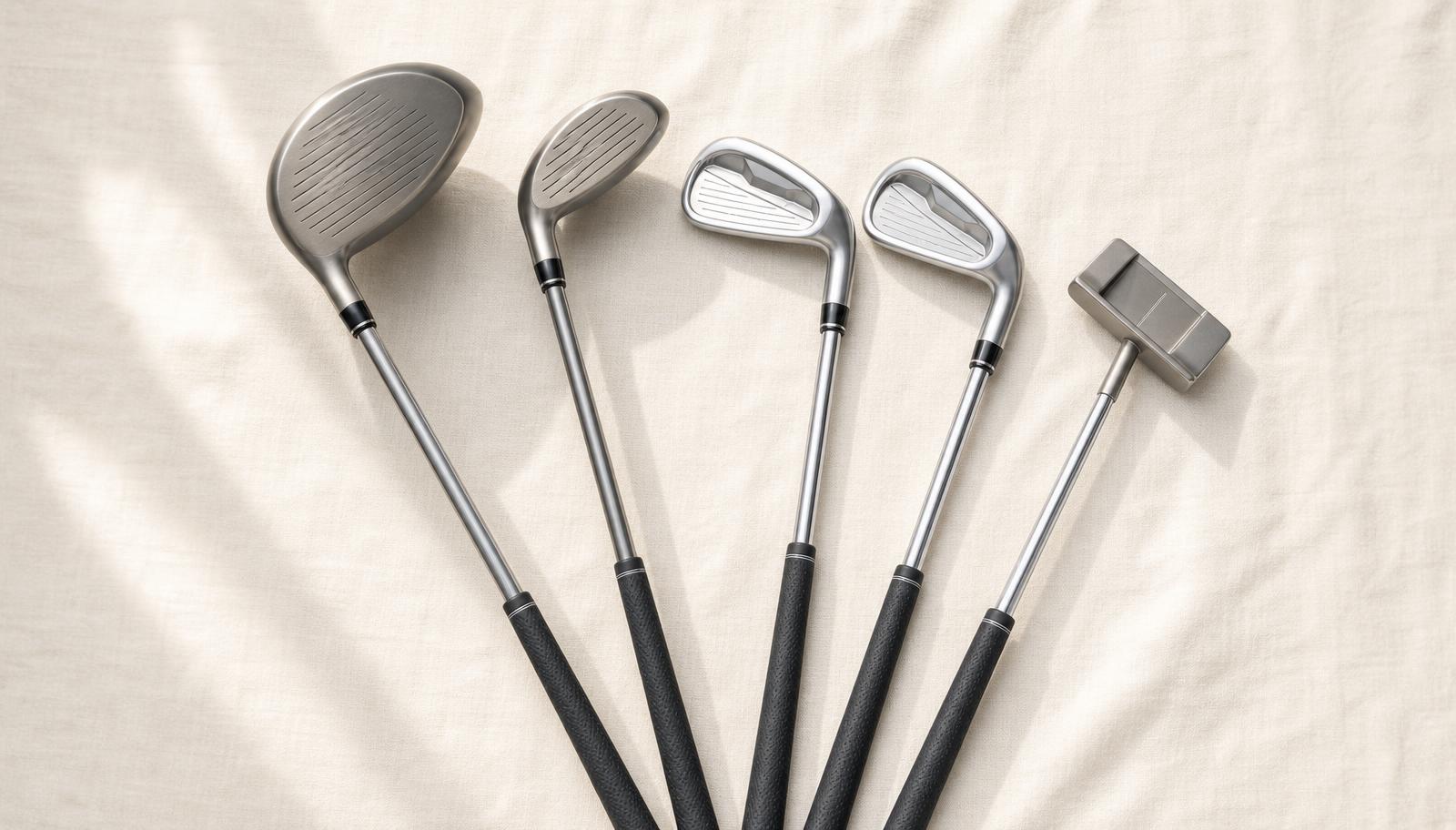
The 3-iron and 4-iron are officially dead in standard sets. The smart setup this season was 6-PW in player's distance, paired with high-launching utility irons or modern hybrids at the top of the bag.
Putters followed the same logic. The classic heel-toe weighted blade is losing its grip as zero-torque designs stop the toe flopping open or closed through the stroke, actively fighting twist in the hands.
Operator Takeaway: Retail margin is shifting from headline ball speed to measurable miss-tolerance. Fitters and brands that sell retention, acoustics and gapping, rather than another three yards, are the ones holding pricing power into 2027.
4. Quick Hits
Ultra-Light Bags
Frameless, weather-proof stand bags under 1.8kg took the standout reviews of the season while still comfortably carrying 14 clubs.
Technical Naturals
Shiny polyester polos have given way to merino-blend performance fabrics and matte textures.
Quiet Branding
Functional quality is outselling loud tour-pro logos across premium apparel lines.
Fitting Bays
Indoor-only fittings are being called out as the source of the low-spin misfit problem; outdoor validation is becoming a premium service line.
5. The Takeaway
Buy the Miss, Not the Marketing
Strip away the marketing budgets and the 2026 season delivered a fairly unglamorous conclusion: the equipment that helps most is the equipment that behaves when you miss.
Nobody is going to build a campaign around 93% ball-speed retention on a toe strike. It just happens to be the number that lowers scores.