1. The Trend Report
8,000 New Padel Courts In One Year
Roughly 8,000 courts went up worldwide in twelve months. Golf course supply has barely moved since the 1990s, which makes padel the fastest expansion of playable leisure infrastructure anywhere in sport right now.
It comes down to who is actually paying for the courts, not just who is playing on them.
2. The Numbers
58,000
Total padel courts worldwide, up from around 50,000 a year ago
Annual Growth
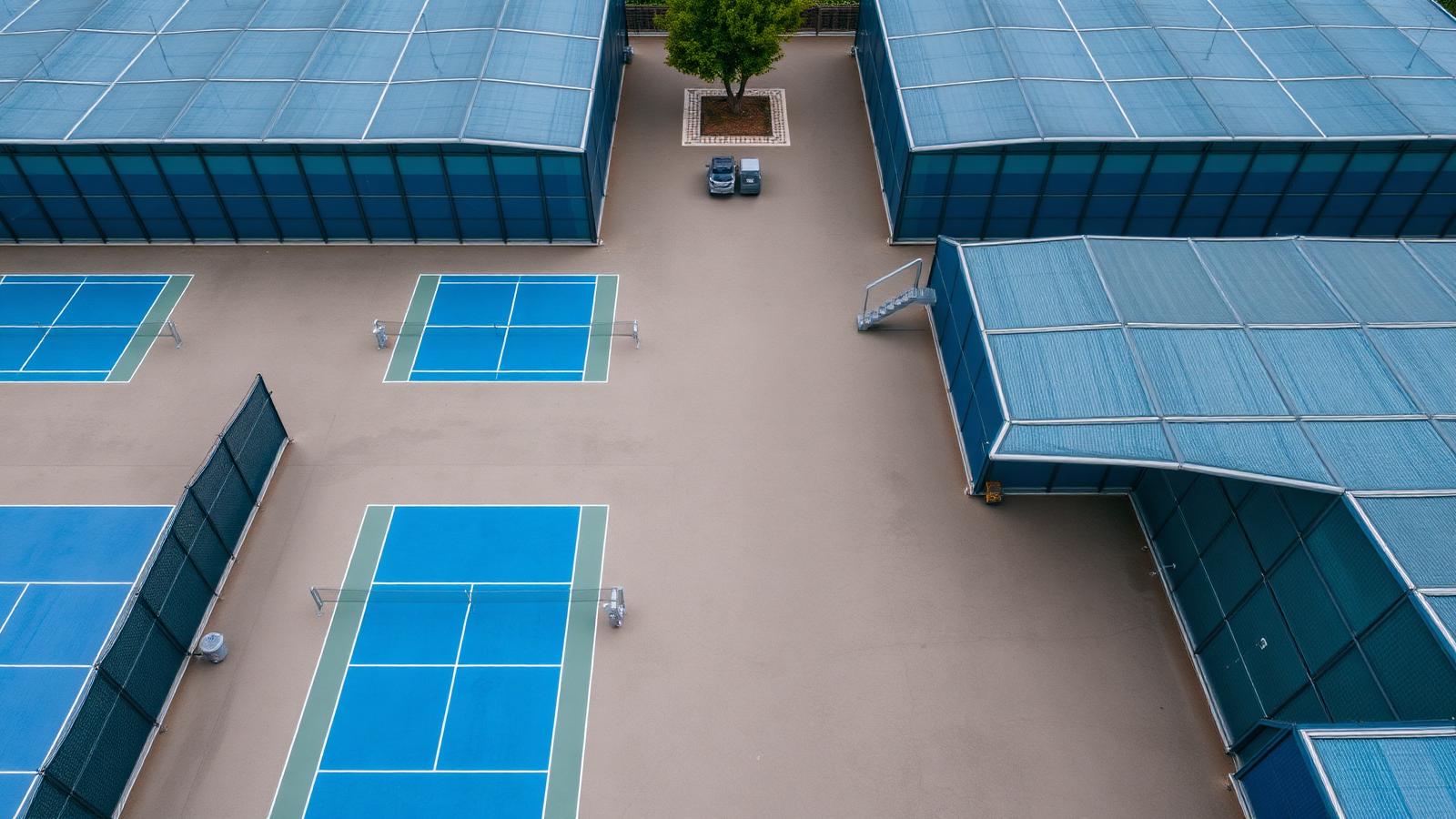
Roughly 8,000 new courts added in a single year, compared with almost no new golf course supply since the 1990s.
Build Cost
A padel court costs a fraction of what a golf course costs to build, but clubs can still charge real money per hour of court time.
Conversion Rate
Conversions, not new land. Membership grows without the footprint growing with it.
3. The Business Model / Opportunity
Why It Is Spreading So Fast
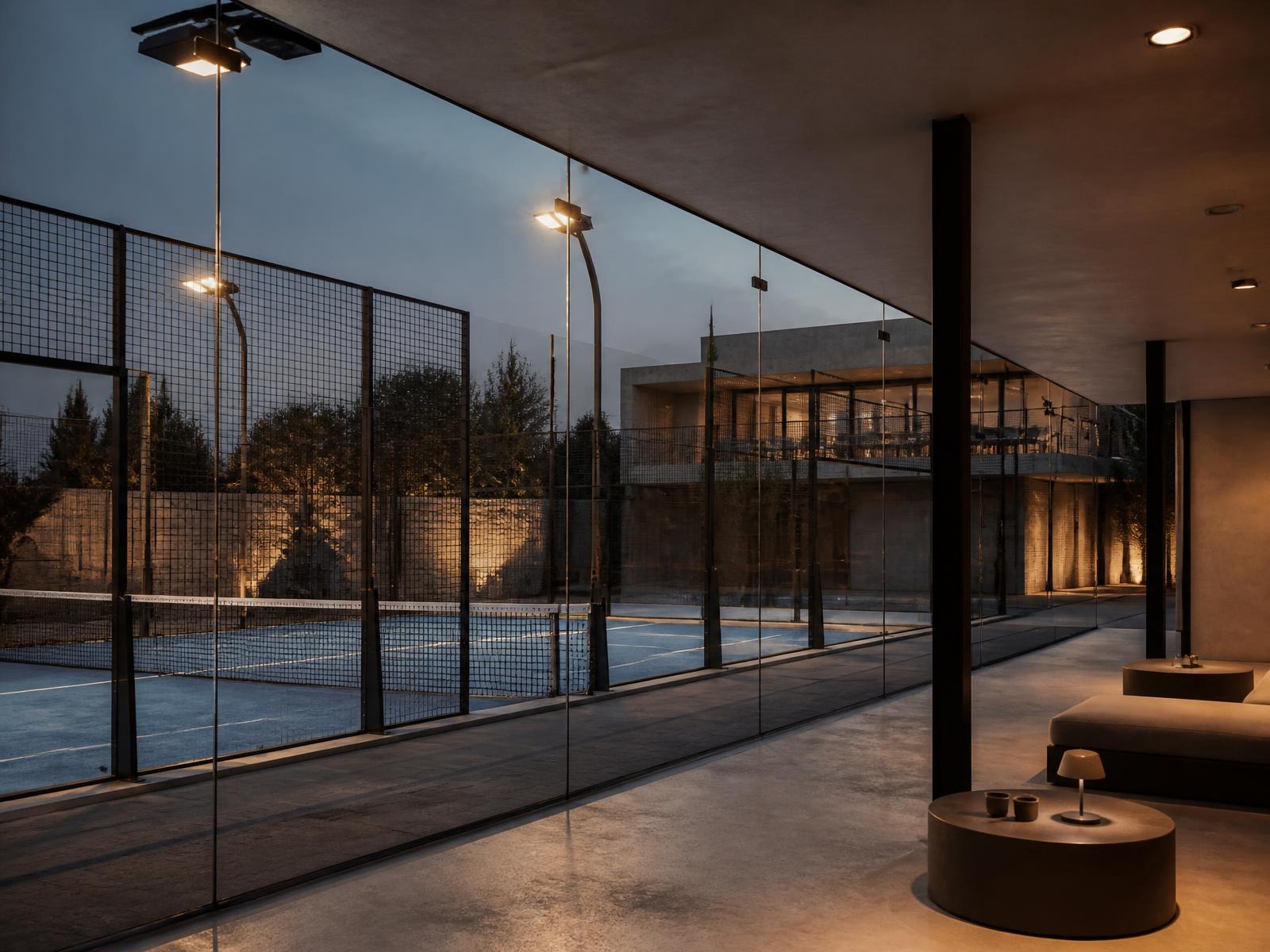
Hotels are adding courts because they photograph well and give guests something to do that a golf course cannot easily offer on a city-centre site.
Tennis clubs are the quiet volume driver, retrofitting space they already own rather than buying any.
Equipment and apparel brands are moving in early, before the category gets as crowded as golf gear did a decade ago.
Operator Takeaway: The real question is not whether padel is popular. It is how long hotels, clubs and brands keep finding it worth building for at the same time.
4. Quick Hits
Enclosed Court
The enclosed court keeps rallies going longer for beginners, so a first-timer spends more time playing and less time chasing balls.
Doubles by Design
You cannot play alone, so every booking starts out as a social plan rather than something one person has to convince three friends to try.
Same Audience
Most players are the same people already showing up in golf membership numbers and boutique fitness class bookings.
Spending Proxy
Where courts go up first tends to predict where discretionary leisure spend lands next.
5. The Takeaway
Nobody Builds 8,000 Courts on a Hunch
Padel is not pulling in a new audience so much as giving an existing one another place to spend a Saturday morning.
For anyone tracking active leisure, that means court count is now a useful early signal of the same spending pattern already showing up in club fees and boutique fitness memberships. It is just newer, and moving faster.