1. The Trend Report
The Short-Loop Dividend: Why the Money Is Off the Main Scorecard
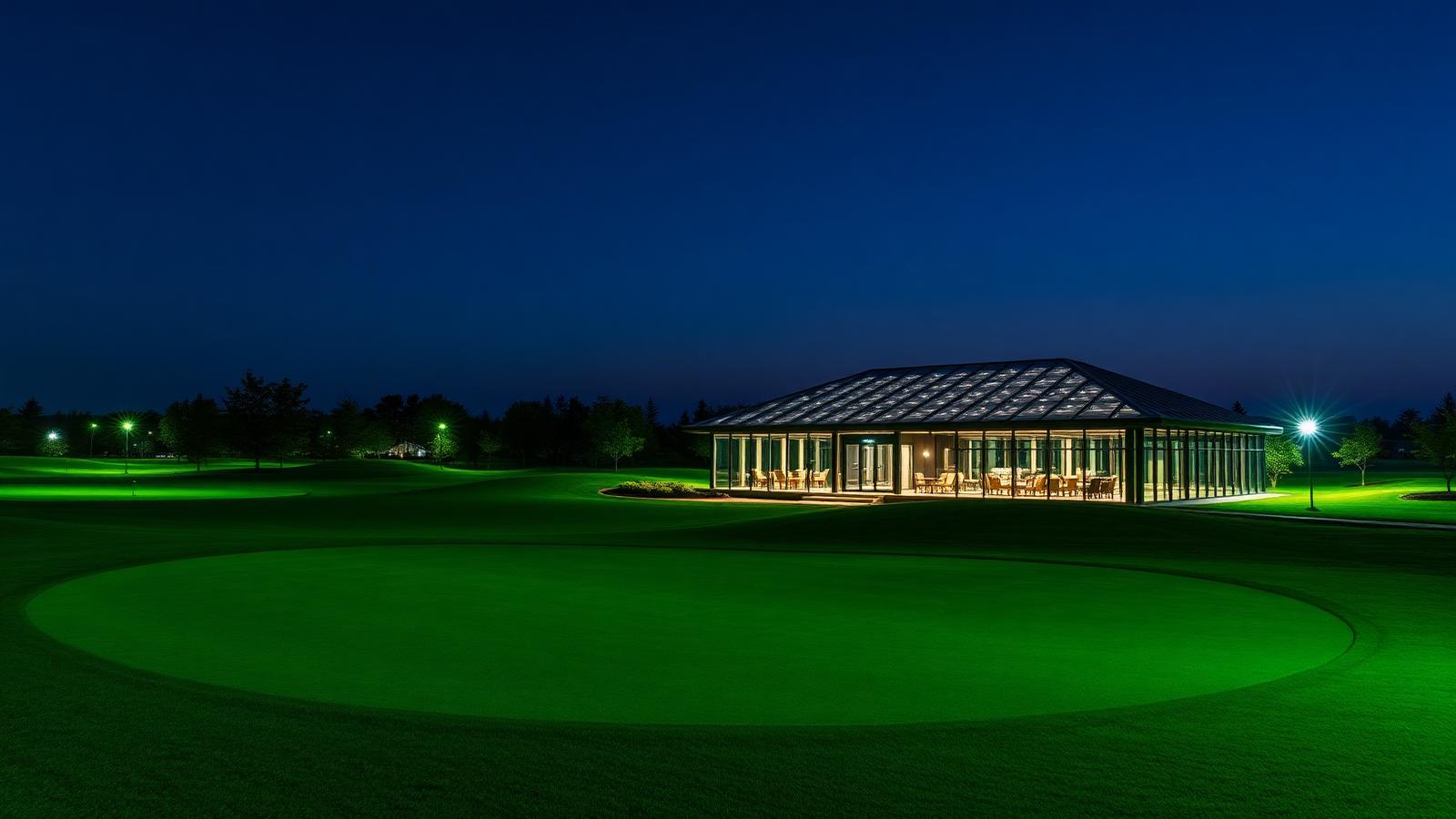
Championship 18-hole layouts remain the core identity of private clubs, but the highest-yielding capital investments of the past 24 months are happening off the main scorecard. Elite operators are reallocating underutilised acreage to short-game facilities, floodlit 9-to-12-hole loops, and high-volume outdoor dining spaces.
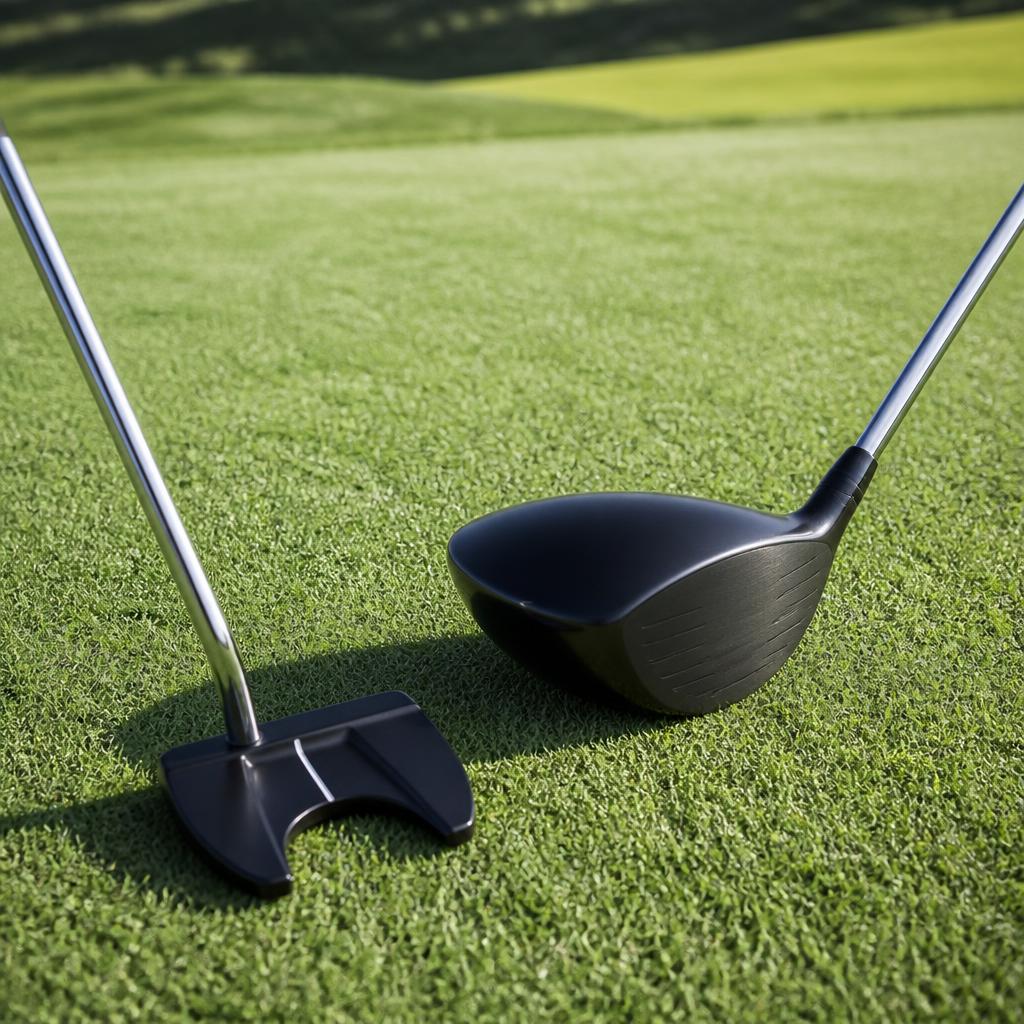
Recent $15M+ club renovations across Western Europe and North America show a distinct pattern: pair top-tier architecture with casual, high-end hospitality to capture non-peak engagement. By positioning expansive putting greens and short loops next to outdoor F&B pavilions, clubs create social hubs that serve member families long after standard tee sheets close.
Look at the overhauls pairing short course designs with centralised, outdoor fire-pit pavilions. They capture the post-work social window that a standard 18-hole round misses completely. Members finish a loop in under 90 minutes carrying three clubs and a drink, juniors and non-playing spouses get a way in, and the route ends at the bar rather than the car park.
2. The Numbers
2.8 - 3.4 yrs
Payback horizon on a purpose-built urban padel hub (8 covered courts), against 3.2 to 4.0 years for a premium indoor TrackMan lounge (8 bays)
Capex & Footprint
Padel hubs need 30,000 to 40,000 sq ft and $2.8M to $3.5M of buildout. TrackMan lounges fit into 8,000 to 12,000 sq ft for $1.4M to $2.0M, trading space for fit-out intensity.
Rate & Utilisation
Padel courts run $60 to $110 per hour at 68% annual utilisation for roughly $2.4M gross. Bays run $75 to $135 per hour at 55% utilisation for roughly $1.8M, with 45% of spend coming from F&B and retail versus 32% for padel.
Margin Profile
Target EBITDA lands at 38% to 44% for padel and 30% to 36% for simulator lounges. Padel lives or dies on booking velocity; lounges depend on corporate events and private dining spend.
3. The Business Model / Opportunity
Modernising the Country Estate
The legacy country estate model is moving away from its single-sport roots. Shifting demographics among high-net-worth members have pushed traditional polo venues and private racquets retreats to broaden their infrastructure or lose relevance.
Leading estates across Spain, Argentina and the UK countryside are integrating architectural padel courts, thermal plunge circuits and modern fitness facilities alongside traditional fields. Glass-walled courts enclosed in restored timber barns or steel-and-timber frames let these properties keep the rural character while catering to a very modern set of habits.
Three things are driving it. Seasonal sports leave valuable land idle for months, so covered courts and wellness facilities stabilise year-round lodging and dining revenue. Tiered memberships let people buy into racquets and recovery without owning a horse. And the architecture has changed: native stone, dark steel and sedum roofs instead of industrial concrete.
Operator Takeaway: Yield per square foot now comes from fast, social-first amenities. Flexible short courses, multi-sport estate conversions and high-density racquets are producing better waitlist momentum and operating margins than another round of legacy clubhouse upgrades.
4. Quick Hits
Resort M&A
Private equity groups are targeting boutique Mediterranean golf resorts, budgeting immediate post-acquisition capital for padel complexes and recovery hubs.
Turf Innovation
Hybrid grass systems are being adopted fast on high-traffic short loops, cutting irrigation requirements while holding elite putting speeds.
Casual Dining Pivots
Formal dining rooms continue to give way to wood-fired kitchens, flexible lounge seating and expanded outdoor patios.
Frictionless Access
Premium facilities are rolling out app-based keyless entry and automated lighting to extend hours across indoor bays and recovery suites.
5. The Takeaway
Short, Social, and Floodlit Wins
Operators keep learning the same lesson: members do not want more golf, they want more reasons to be at the club. A floodlit loop, a putting ground with a bar attached, and a padel court under cover between them do more for retention than another locker room refit.
Family utilisation doubles, mid-week evening F&B fills the 5pm to 9pm dead zone, and churn drops into low single digits. The scorecard is still 18 holes. The balance sheet increasingly is not.