1. The Trend Report
The Alpine Off-Season Bet
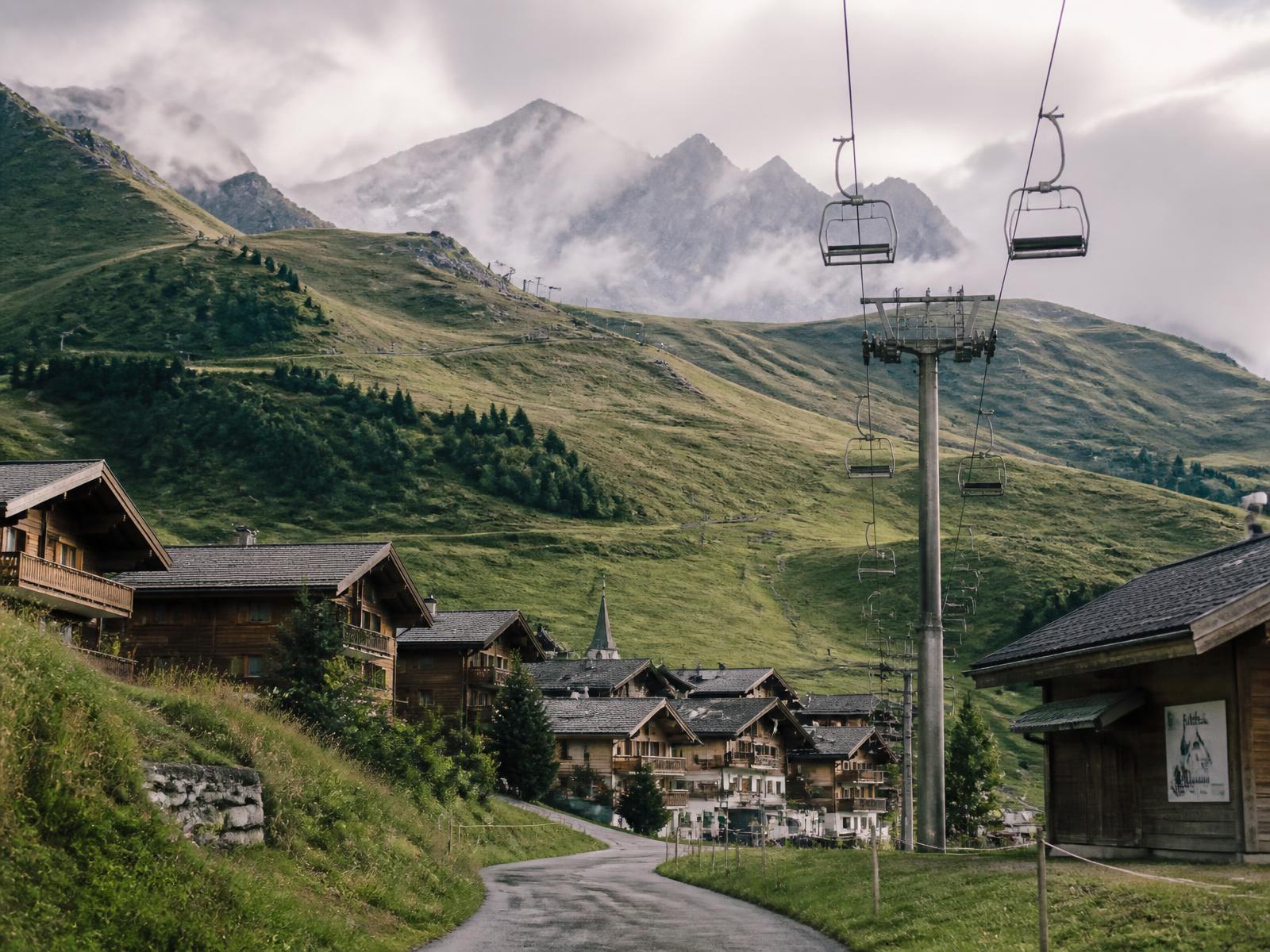
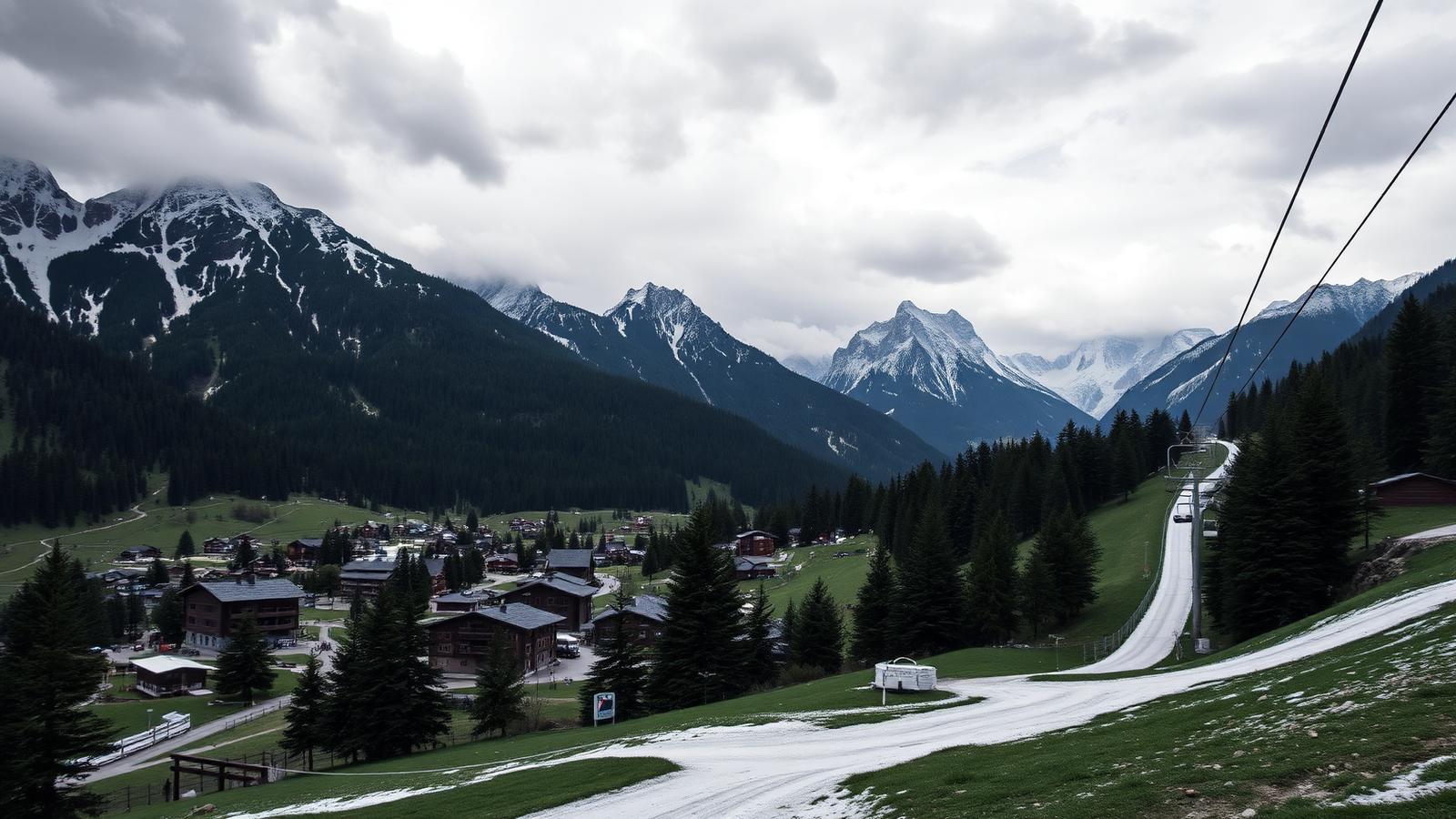
For decades the alpine model carried a five-month hole in it: the lifts stopped the day the snow melted and nobody expected otherwise. That assumption is now the exception rather than the rule.
The number of US ski areas running summer operations went from 84 to 109 over the past decade, and average revenue per area rose from $3.8 million to $6.4 million in that stretch. It isn't a side hustle bolted onto winter anymore, it's resorts genuinely rebuilding themselves as year-round businesses, because relying on snowfall alone had quietly become a real balance-sheet risk rather than just a seasonal inconvenience.
2. The Numbers
40%
Share of Chamonix's lift revenue now generated between May and October, in a business that used to shut its lifts the day the snow melted
Revenue Per Area
Average revenue per summer-operating US ski area rose from $3.8 million to $6.4 million over the same decade.
Visitor Mix
Summer visitors spend less per day than winter visitors do, roughly $148 against $350 in Whistler's case, but they account for around 60% of total annual visits against winter's 40%.
Summer Revenue Share
Summer accounted for only 11.4% of total annual revenue across US mountains running warm-weather operations last season, and some resorts have actually seen summer revenue decline since the Covid-era peak.
3. The Business Model / Opportunity
Where the Money's Actually Coming From
Chairlifts and gondolas, once purely a winter asset, now run scenic and bike-park routes through the warmer months. Alpine coasters and mountain slides have become repeat-visit attractions rather than one-and-done novelties. High-altitude wellness, including spas, retreats and cold exposure, has moved from a nice-to-have amenity to a standalone booking reason on its own.
One Whistler property owner reported that electric mountain biking and guided hiking alone generated 35% of the hotel's annual income outside ski season.
The results are mixed across the industry, though. Building the lifts and trails turns out to be the easier part. Convincing guests to treat a ski resort as a genuine summer destination, rather than somewhere they happen to visit off-season because it's familiar, is proving to be the harder problem for most operators.
Operator Takeaway: The resorts pulling real revenue out of summer aren't the ones that added a few bike trails and called it diversification. They're treating summer as its own business with its own guest logic, which is a large part of why Chamonix is pulling 40% of lift revenue from it while plenty of competitors are still stuck in single digits.
4. Quick Hits
Mountain Biking
Bike parks are the anchor product. They are what justify running lifts, staff and patrol through the warm months at all.
Lifts All Year
Chairlifts and gondolas, once purely a winter asset, now run scenic and bike-park routes through the warmer months.
Alpine Coasters
Alpine coasters and mountain slides have become repeat-visit attractions rather than one-and-done novelties.
High-Altitude Wellness
Spas, retreats and cold exposure have moved from a nice-to-have amenity to a standalone booking reason on its own at altitude.
5. The Takeaway
Summer as Its Own Business
Summer is not a discounted version of winter. The operators making money from it staff it, price it and market it as a separate business with a separate guest.
That is a large part of why Chamonix is pulling 40% of lift revenue from it while plenty of competitors are still stuck in single digits. The lifts, lodges and car parks cost the same to maintain whether they're running six months or twelve. Summer is about getting a lot more use out of infrastructure that used to sit dormant for half the year.